This page was translated from the Japanese page by AI. If the content differs from the Japanese page, the Japanese page is correct. 日本語

Autumn Festival / Asian Country Booths / Discover Asia

Asia Notes 03 / 04

Pakistan

Snowy mountains and the scent of spices. A country where flowers bloom on hands on days of celebration.

السلام علیکمAssalam alaikum (Hello)

A country where K2, the world’s 2nd-highest mountain, towers above the land, and a planned city dating back 5,000 years lies preserved. 外務省 describes it as a country with a long tradition of friendship toward Japan.

Japan and Pakistan established diplomatic relations in 1952. Today, 36,870 Pakistani people live in Japan (as of the end of June 2026). There is also a restaurant serving Pakistani food near Numazu Station.

Fact File

Pakistan in Numbers

CapitalIslamabad
AreaApprox. 2.1times the area of Japan79.6 × ten thousand km² (Japan: approx. 37.8 × ten thousand km²)
PopulationApprox. 2 hundred million plus 5,127 × ten thousand people2024, 世界銀行. Approx. 2 times Japan’s population
Time difference from Japan−4 hoursWhen it is noon in Japan (Numazu), it is 8:00 in Pakistan
LanguageUrduThe national language. English is also an official language
ReligionIslamThe state religion. Practiced by 96.4% of the population (2023 census)
CurrencyRupeePakistani rupee
Residents in Japan36,870 peopleEnd of June 2026, 出入国在留管理庁
Pakistan

Japan: approx. 37.8 × ten thousand km² / Pakistan: 79.6 × ten thousand km²

4 Things to Know

Discover Pakistan Through 4 Scenes

From towering mountains to lively streets and festive celebrations, take a glimpse into life in Pakistan.

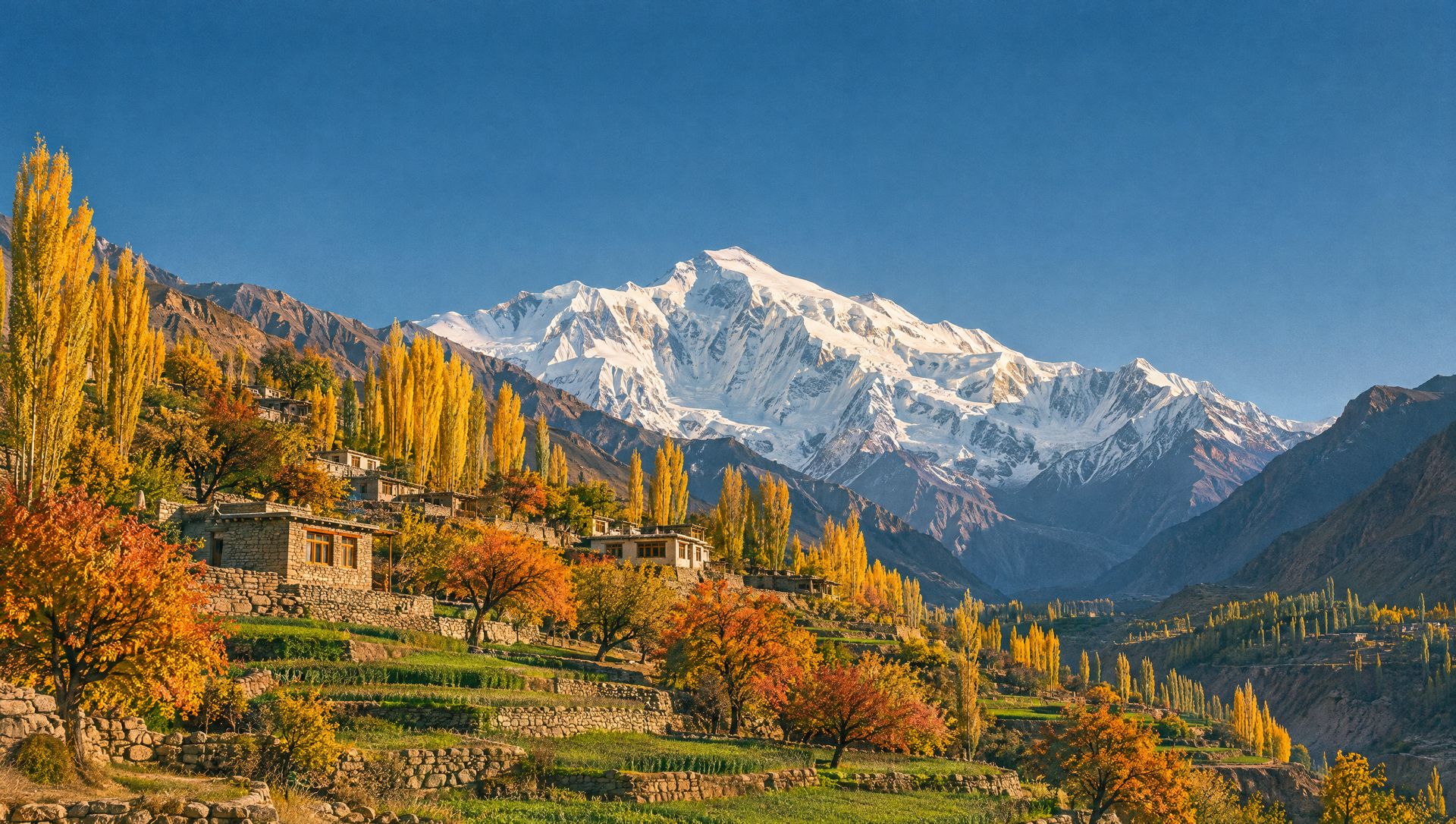
Snowy mountains and a valley in autumn colors (AI-generated image)
01

K2, the World’s 2nd-Highest Peak

In the Karakoram mountain range in the north, K2 (8,611m), the world’s 2nd-highest mountain after Everest, rises along the border with China. In mountain valleys like the one pictured, poplar trees turn golden in autumn.

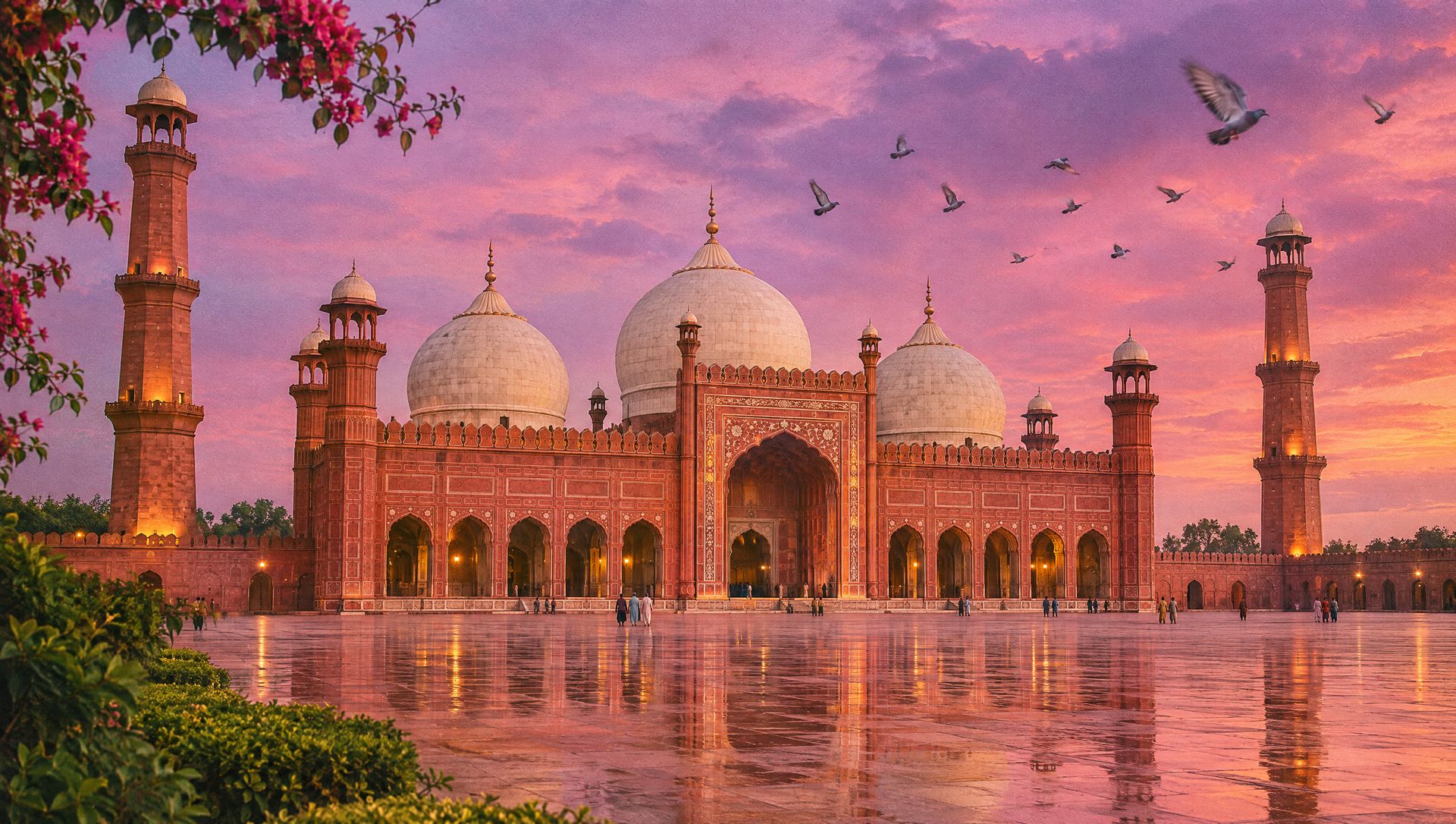
A mosque at dusk (AI-generated image)
02

A Life Shaped by Prayer

Islam is Pakistan’s state religion, and 96.4% of the population is Muslim. Food is generally halal, meaning “permitted” under Islamic law. In Islam, pork and alcohol are forbidden.

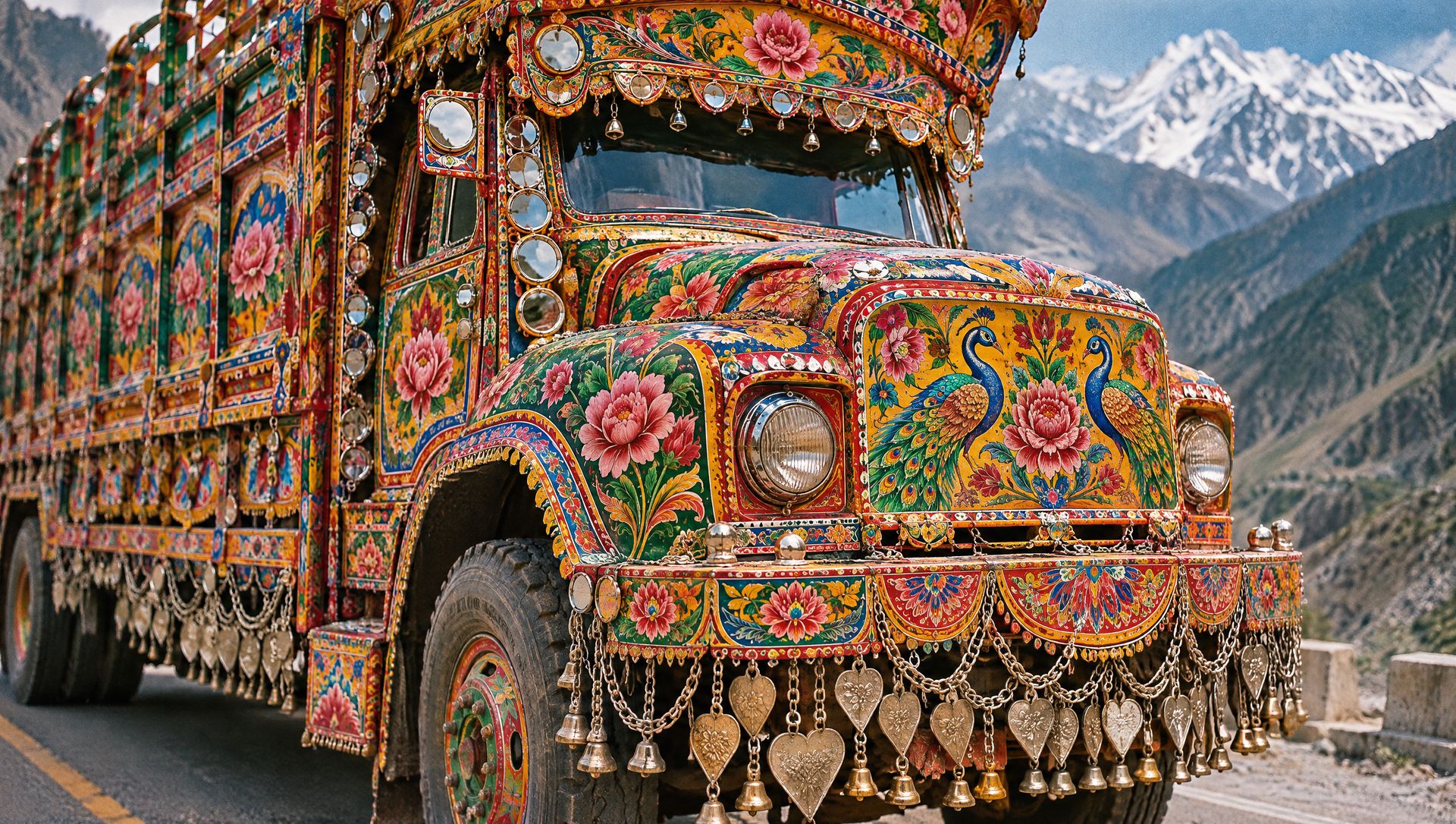
A truck covered in paintings and decorations (AI-generated image)
03

“Truck Art”: Galleries on Wheels

Trucks and buses in Pakistan are covered with paintings of flowers and birds, along with decorative chains and metalwork. The tradition is said to have begun in the 1940s, and drivers sometimes call their vehicles their “brides.”

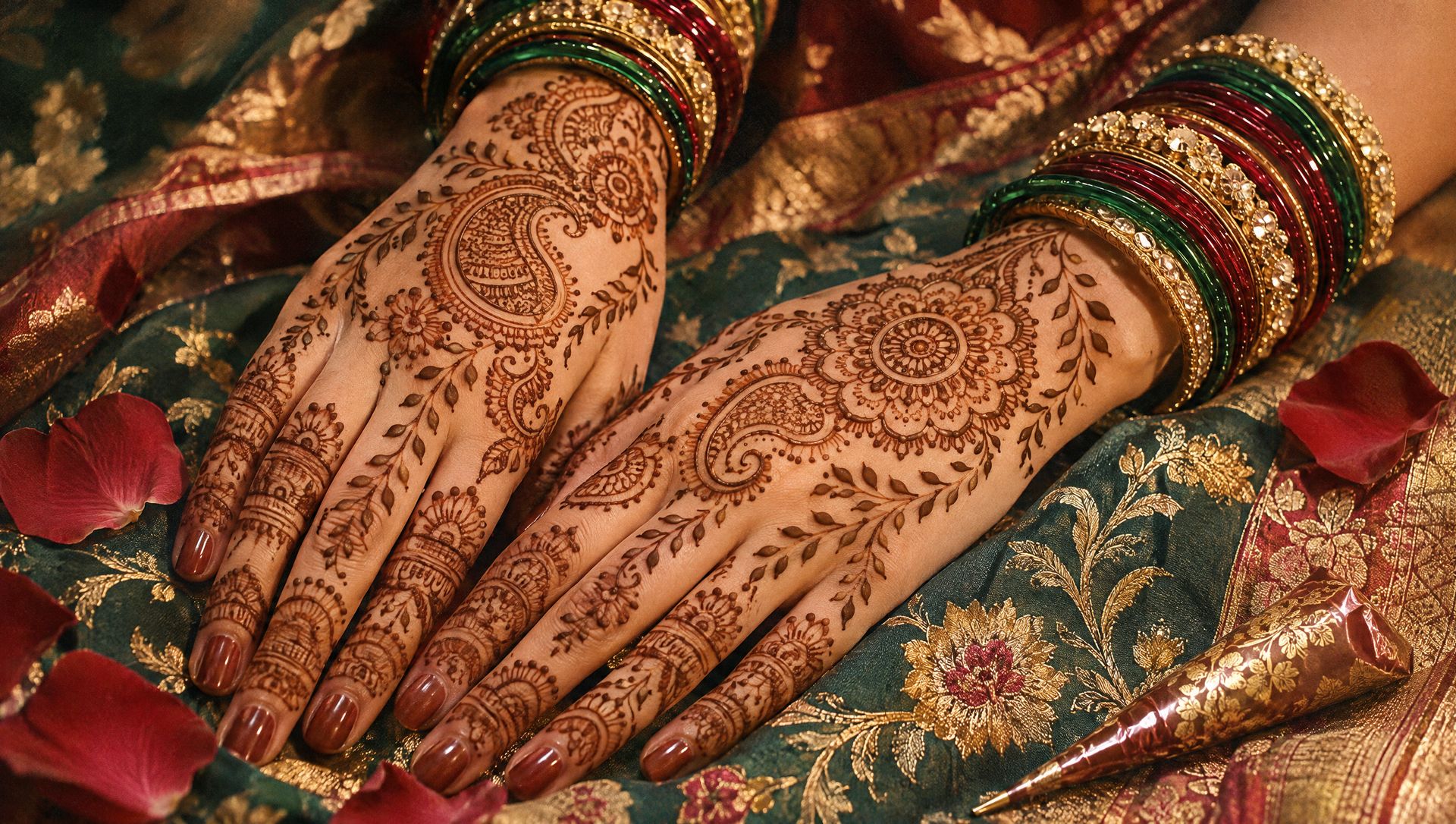
Hands decorated with mehndi and bangles (AI-generated image)
04

Flowers on Hands for Celebrations

On “mehndi night” before a wedding, intricate patterns are drawn on the bride’s hands and feet using henna, a plant-based dye. These designs are also worn for Eid, the festival marking the end of fasting. Together with glass bracelets called bangles, they are an essential part of celebrations.

شکریہ

Shukriya.

It means “thank you.” If you enjoyed the food, try saying it at the booth.
At the Booth

Discover Pakistan at the Booth

On November 22, the Pakistani and Indian restaurant アラジン will have a booth. Here is a look at the traditions behind the items on offer.

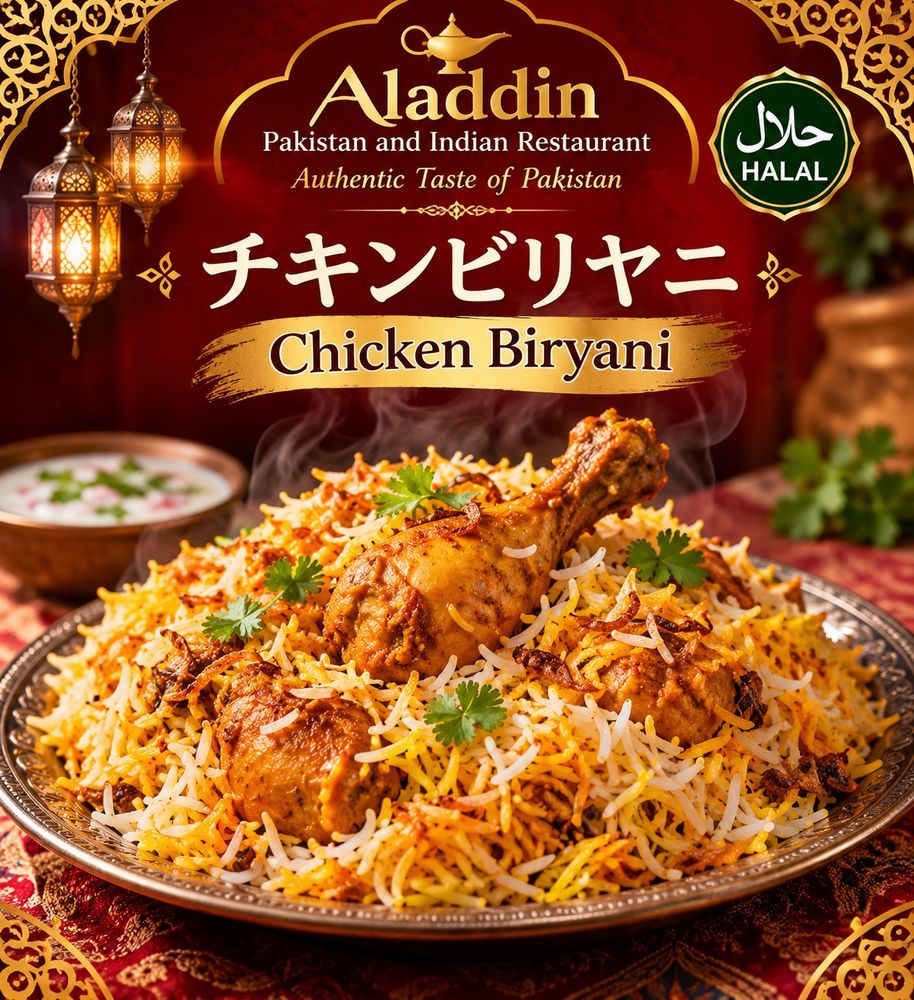
Chicken Biryani from アラジンPhoto provided by the exhibitor
FOOD

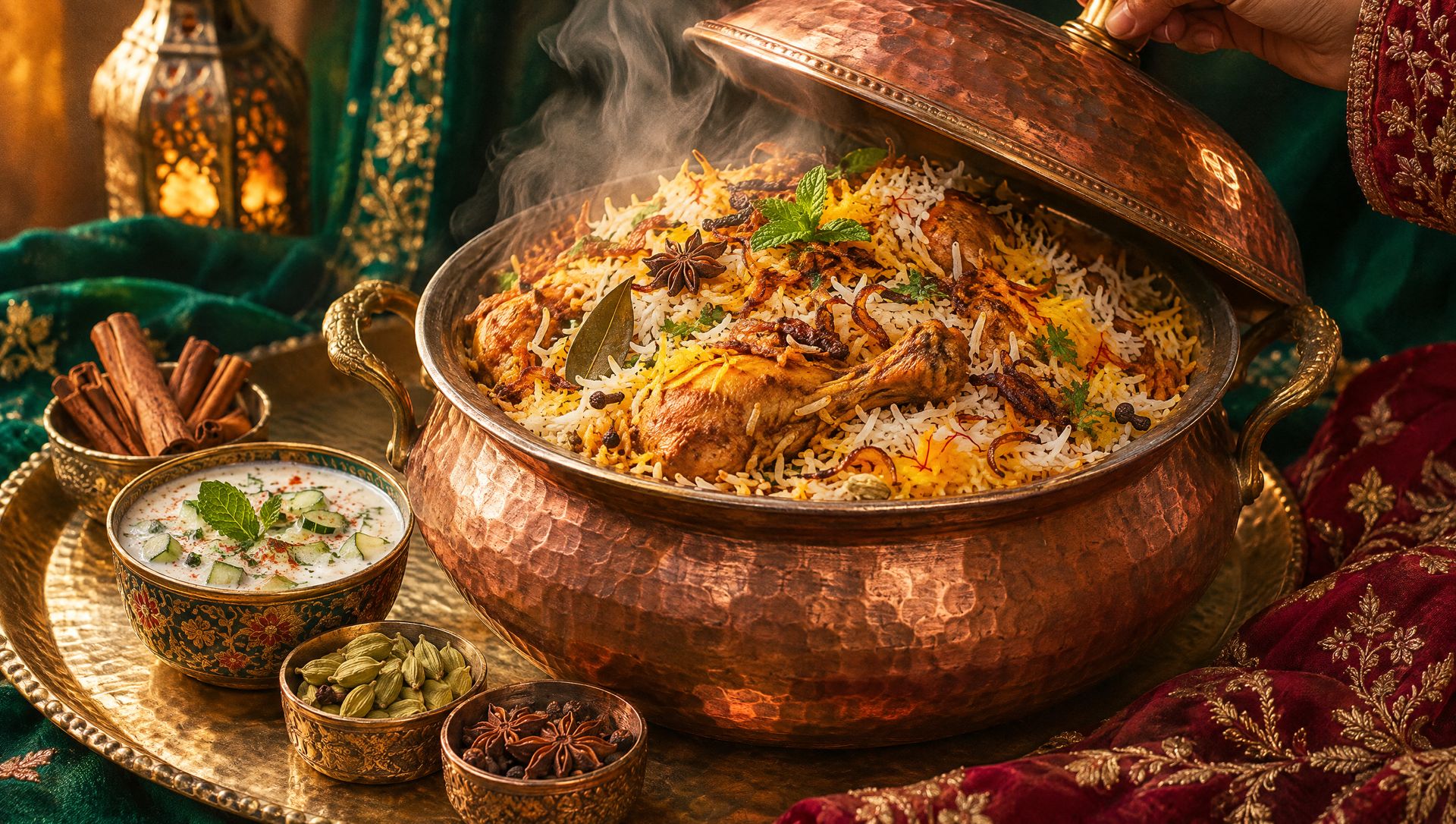
Chicken BiryaniHalal rice cooked with chicken and spices

Biryani is a South Asian feast of rice cooked with spiced meat. Sindhi biryani, found in Karachi and other cities in southern Pakistan, includes potatoes, dried plums, mint, and yogurt, and is known for being spicier than versions from other regions.

アラジン’s biryani is halal, prepared according to Islamic dietary rules.

See what’s at the booth →
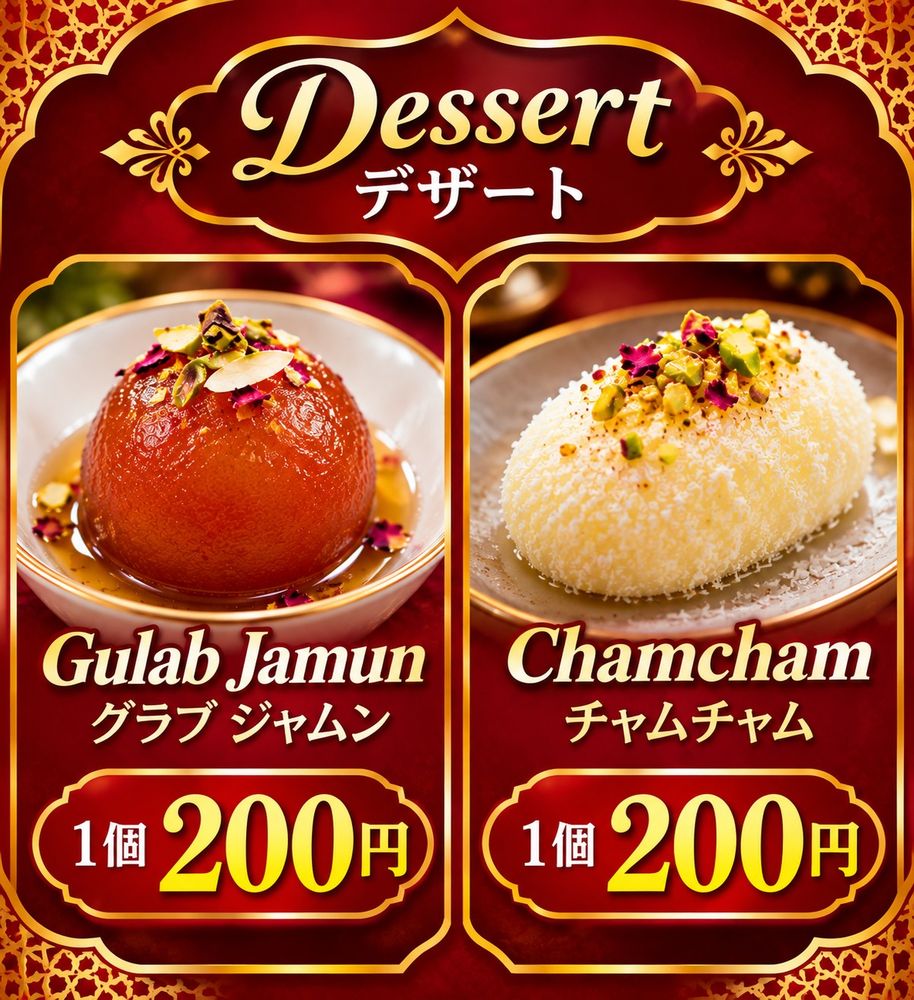
Gulab jamun and cham chamPhoto provided by the exhibitor
SWEETS

Gulab Jamun and Cham Cham200 yen for 1 piece

Gulab jamun is a sweet made by shaping dough from reduced milk into balls, frying them, and soaking them in syrup scented with rose or cardamom. In 2019, it was voted Pakistan’s “national sweet” in a poll on an official Pakistani government account.

Cham cham is an oval-shaped sweet made from milk curds. Enjoyed across South Asia, it is often served on festive occasions.

See what’s at the booth →
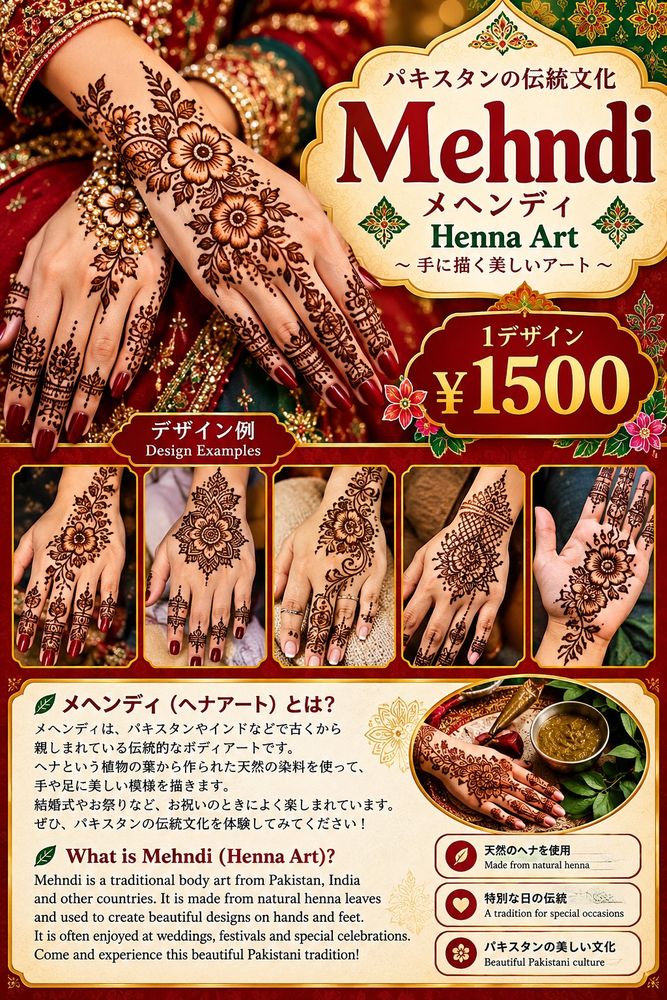
Mehndi design examplesPhoto provided by the exhibitor
ART

Mehndi1,500 yen for 1 design

Mehndi is body art in which patterns are drawn on the hands and arms using a plant-based dye called henna. In Pakistan, it is traditionally worn for celebrations such as weddings and Eid. There is also said to be a custom of secretly incorporating the groom’s initials into the bride’s design.

See what’s at the booth →
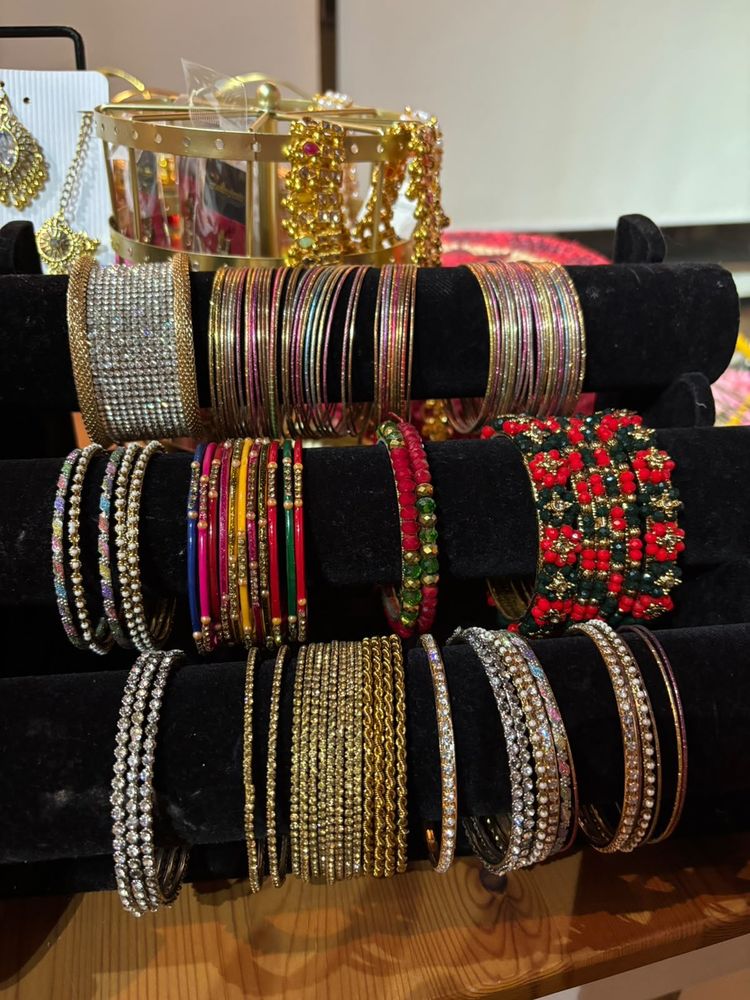
Colorful banglesPhoto provided by the exhibitor
ACCESSORY

BanglesGlass bracelets called “churi”

Hyderabad in southern Pakistan is a major center for glass bangle production. A single bangle is said to pass through the hands of more than a dozen craftspeople. For Eid and weddings, people stack many bangles together to match the colors of their clothes.

See what’s at the booth →
Say it!

Try These Greetings at the Booth

Why not try a few words with the booth staff?

السلام علیکمAssalam alaikumHello (a greeting meaning “peace be upon you”)
شکریہShukriyaThank you
چائےChaiTea. People in Pakistan love sweet milk tea
Quiz

Pakistan Quiz

Tap to reveal the answers.

Q1K2, the world’s 2nd-highest mountain, lies on Pakistan’s border with which country?

China.K2 stands 8,611m tall. It is the world’s 2nd-highest mountain after Everest.

Q2What did Mohenjo-daro, a city of the Indus civilization dating back about 5,000 years, already have?

Drainage systems and public baths.With streets laid out to intersect at right angles, it is one of South Asia’s oldest planned cities. It became a World Heritage Site in 1980.

Q3Which sweet was voted Pakistan’s “national sweet” in a poll on an official Pakistani government account?

Gulab jamun.It received 47% of the votes in the 2019 poll. You can also try it at the booth for 200 yen for 1 piece.

Next Destination

Explore the Other Countries Too

On November 22, booths representing 4 countries will line up beside the stage at Numazu Nakamise Shopping Street.