Bagan, a Plain of Pagodas
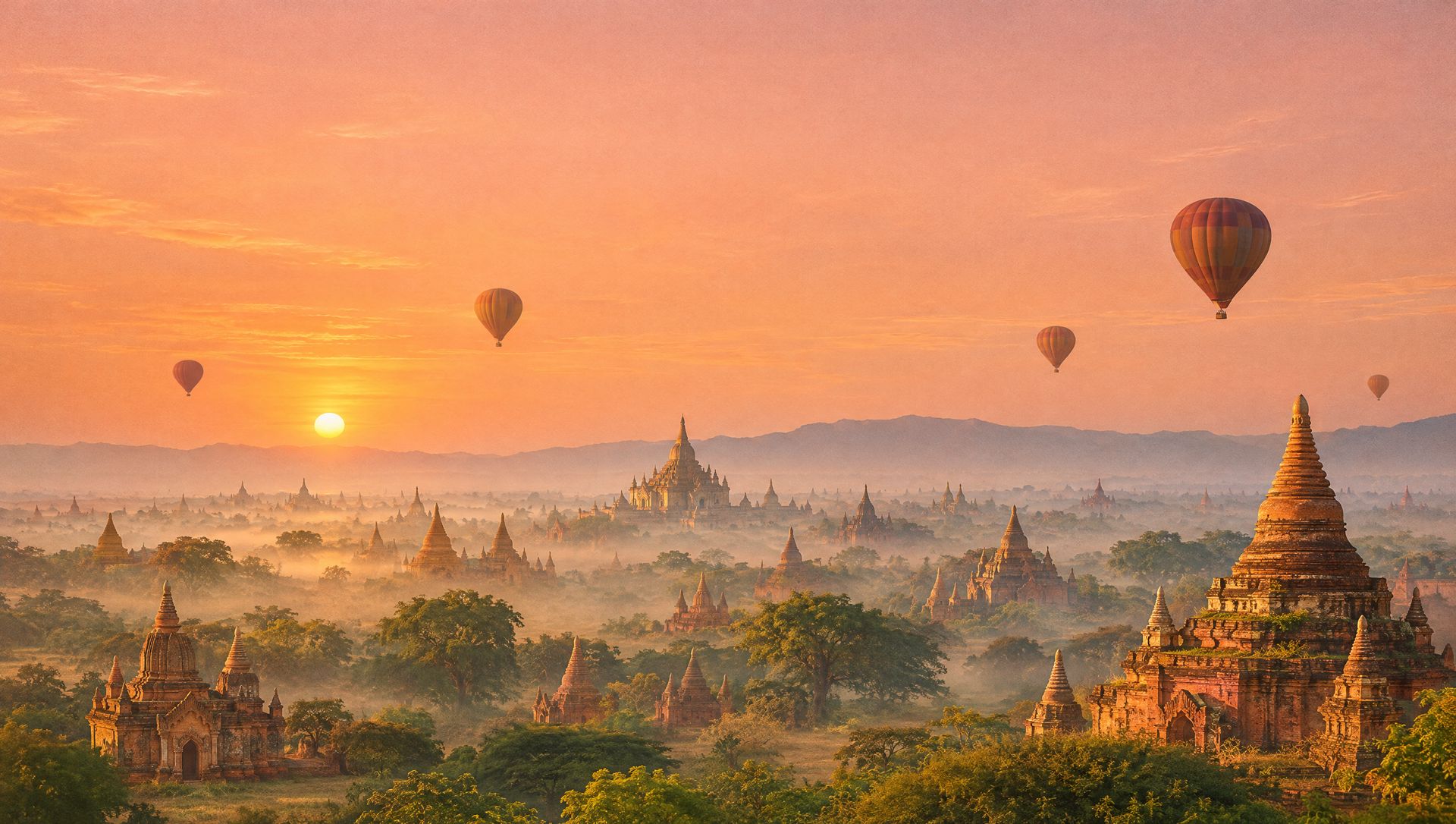
Bagan, a city that flourished in the 11th–13th centuries, still has 3,595 documented pagodas and temples. It became a World Heritage Site in 2019.
Autumn Festival / Asian Country Booths / Discover Asia
Asia Notes 02 / 04Countless pagodas rising through the morning mist.
မင်္ဂလာပါMingalabar (Hello)
A land of gleaming golden pagodas and more than 3,000 historic monuments. Myanmar is the 7th-largest country of origin among foreign residents in Japan.
There are 211,602 people from Myanmar living in Japan, including 6,134 in Shizuoka Prefecture (as of the end of June 2026). “Shwe,” part of the name of participating restaurant シュエマンダレー, means “gold” in Burmese.
Japan: about 37.8 ten-thousand km² / Myanmar: 68 ten-thousand km²
Golden pagodas and cheeks coated in cool, pale paste. Take a peek at everyday life in Myanmar.
Bagan, a city that flourished in the 11th–13th centuries, still has 3,595 documented pagodas and temples. It became a World Heritage Site in 2019.
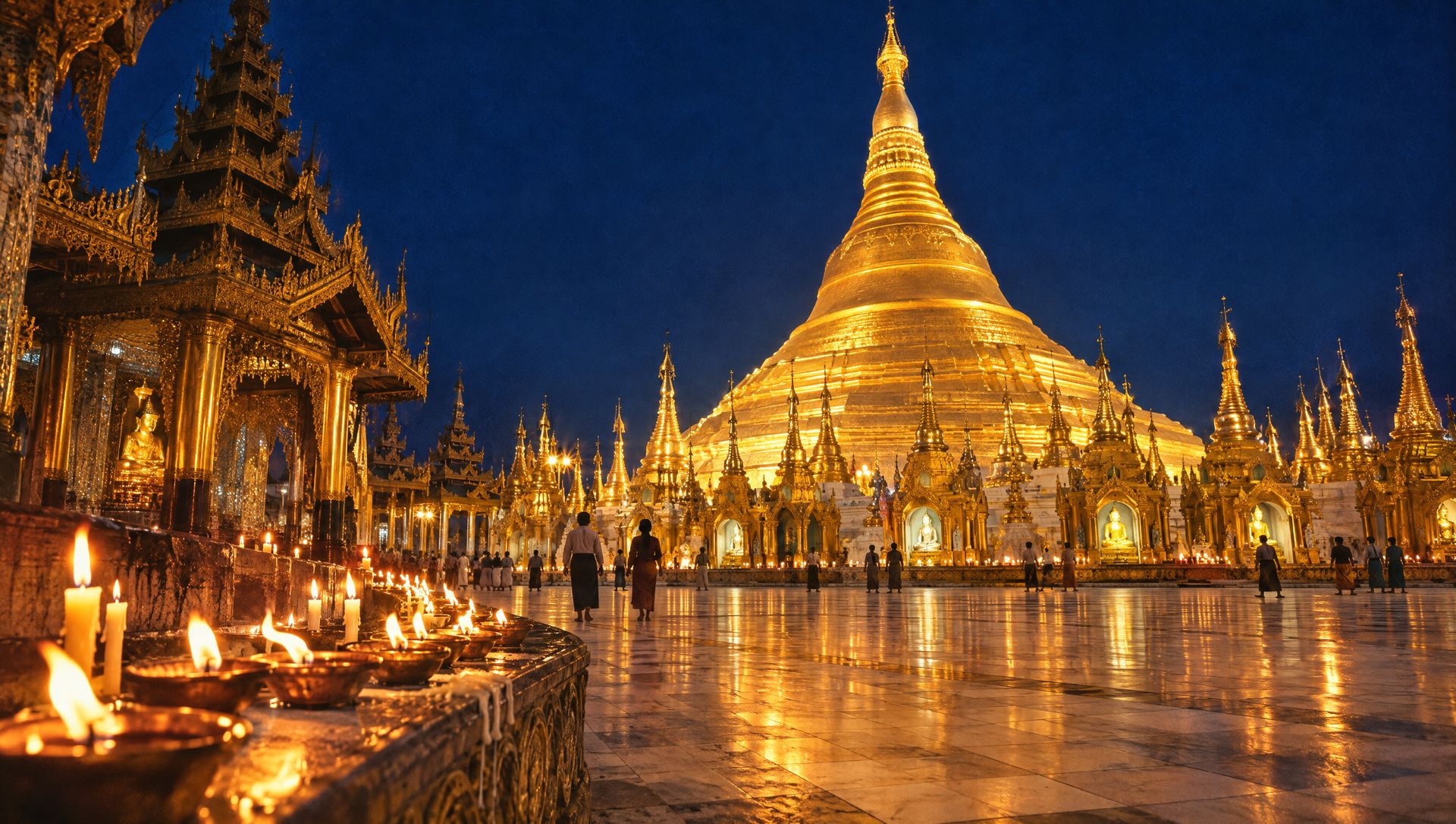
Shwedagon Pagoda in Yangon is Myanmar’s most sacred pagoda. Covered entirely in gold, it stands 112m tall. It is said to enshrine 8 strands of the Buddha’s hair. Visitors remove their shoes before entering temple grounds.
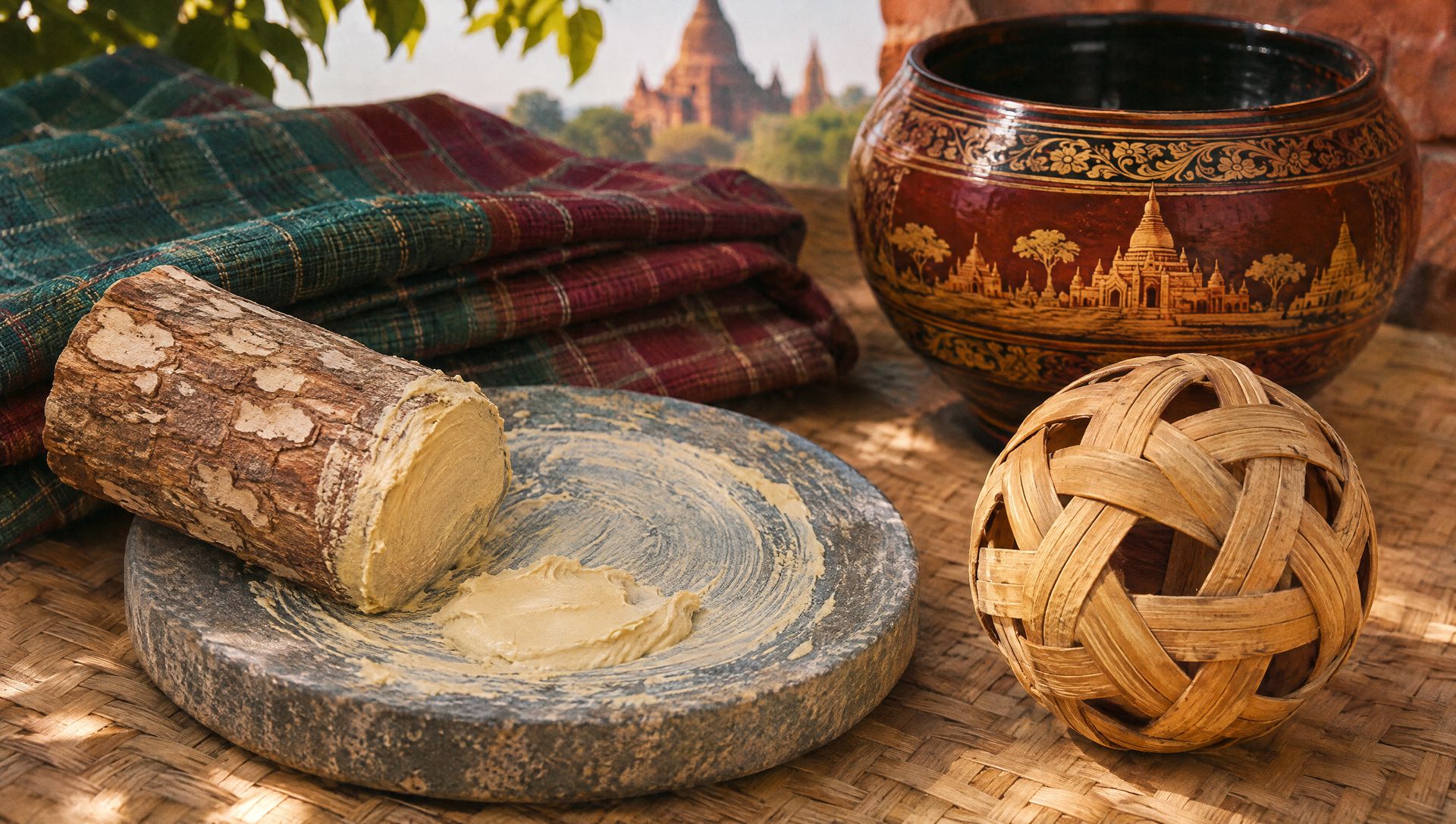
In Myanmar, people apply a paste made by grinding thanaka wood on a stone to their faces. It feels cool and is said to protect against sunburn and insects. The longyi, a cloth wrapped around the waist, is traditional clothing worn by both men and women. Chinlone is a traditional ball game in which players keep a rattan ball in the air with their feet, without competing for points.
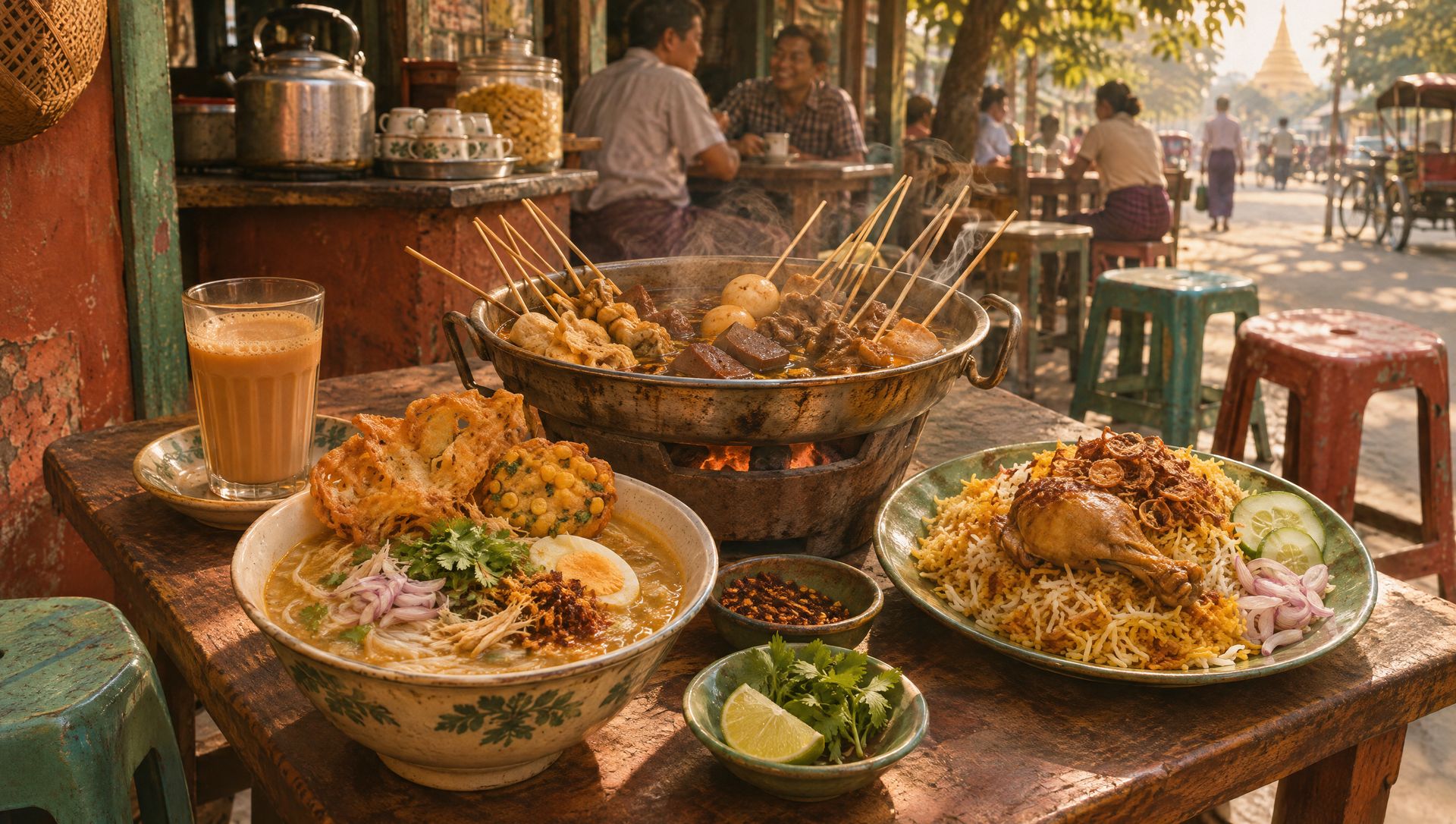
Rice is the staple food. People top it with a variety of side dishes and mix them together to eat. Mohinga, considered the national dish, is a fish soup with thin rice noodles and a popular street-stall breakfast.
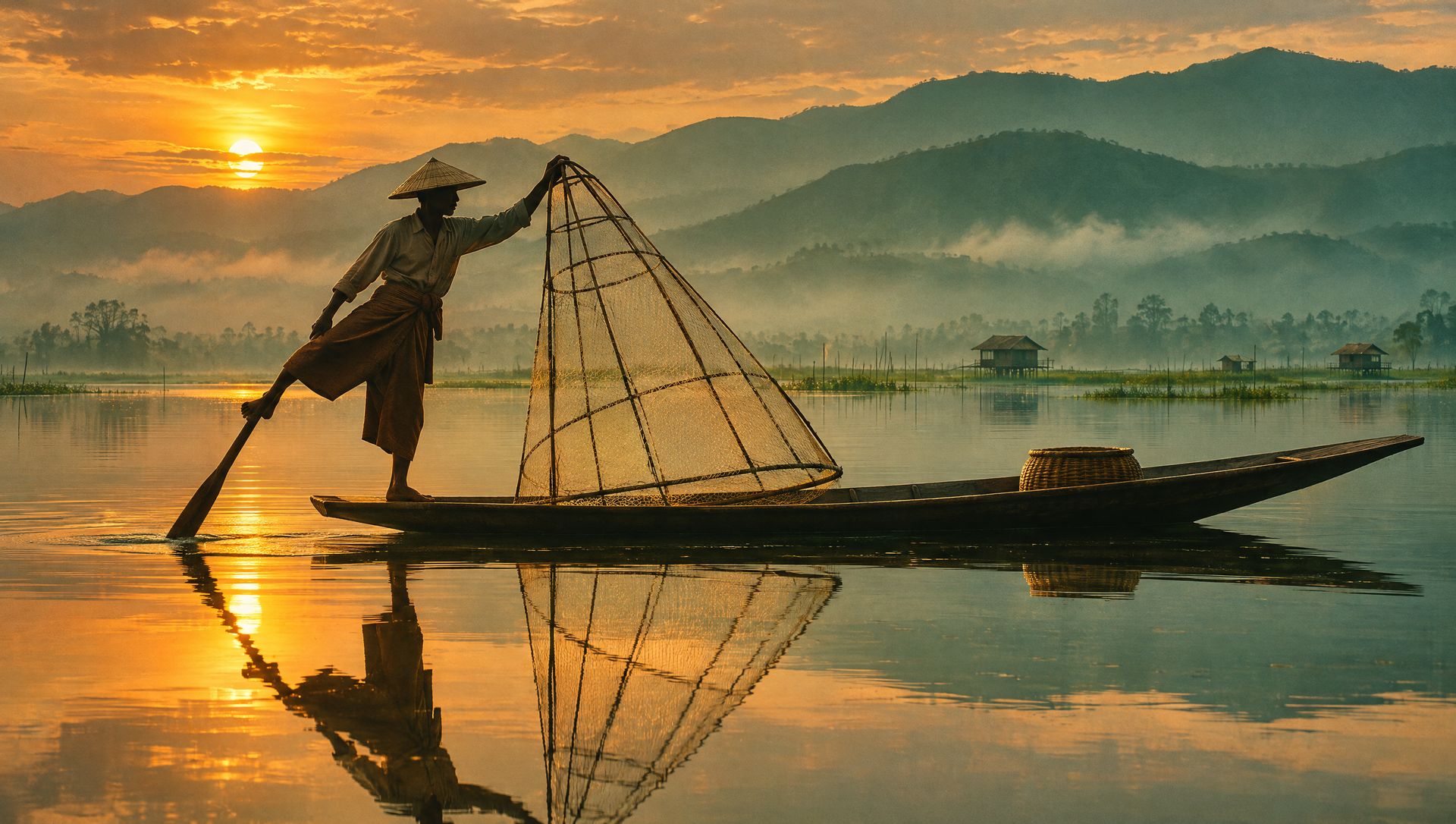
မင်္ဂလာပါMingalabar.
“Hello.” Burmese uses the same word order as Japanese.
On November 22, シュエマンダレー, a Myanmar restaurant in Takashimacho, Numazu City, will have a booth.
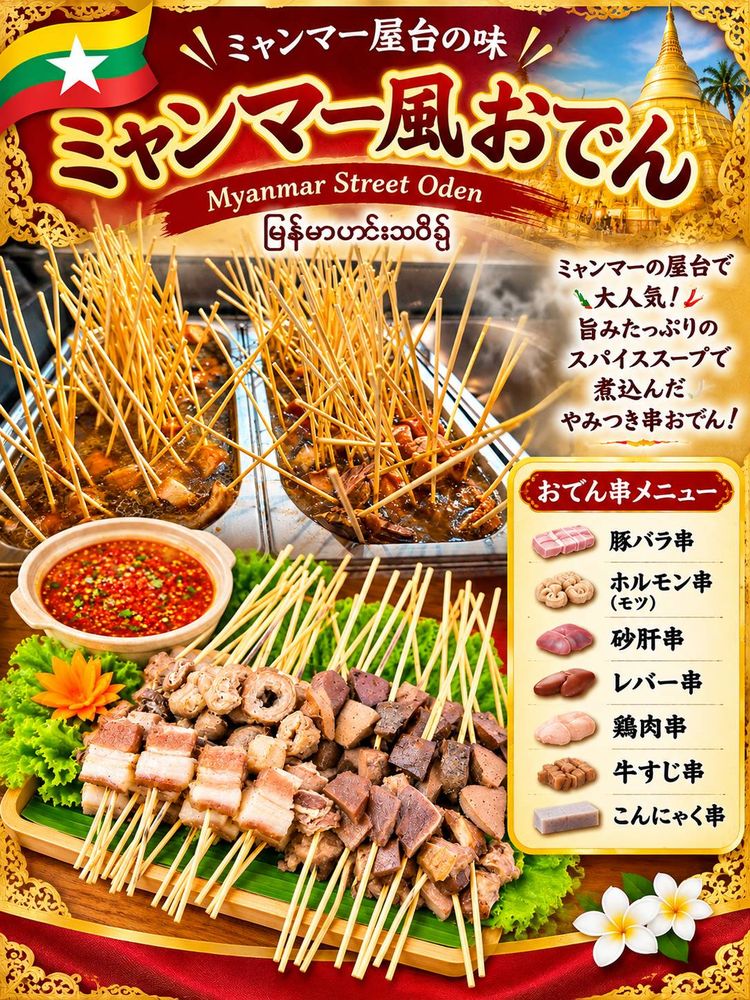 Photo provided by the exhibitor
In Myanmar’s towns and cities, you can find stalls where skewered ingredients simmer in a large pot. Customers gather around and choose the skewers they want to eat. Said to have originated in Yangon’s Chinatown, this food brings the lively flavors of the streets.
Dip them in sauce and enjoy them piping hot.
See what’s at the booth →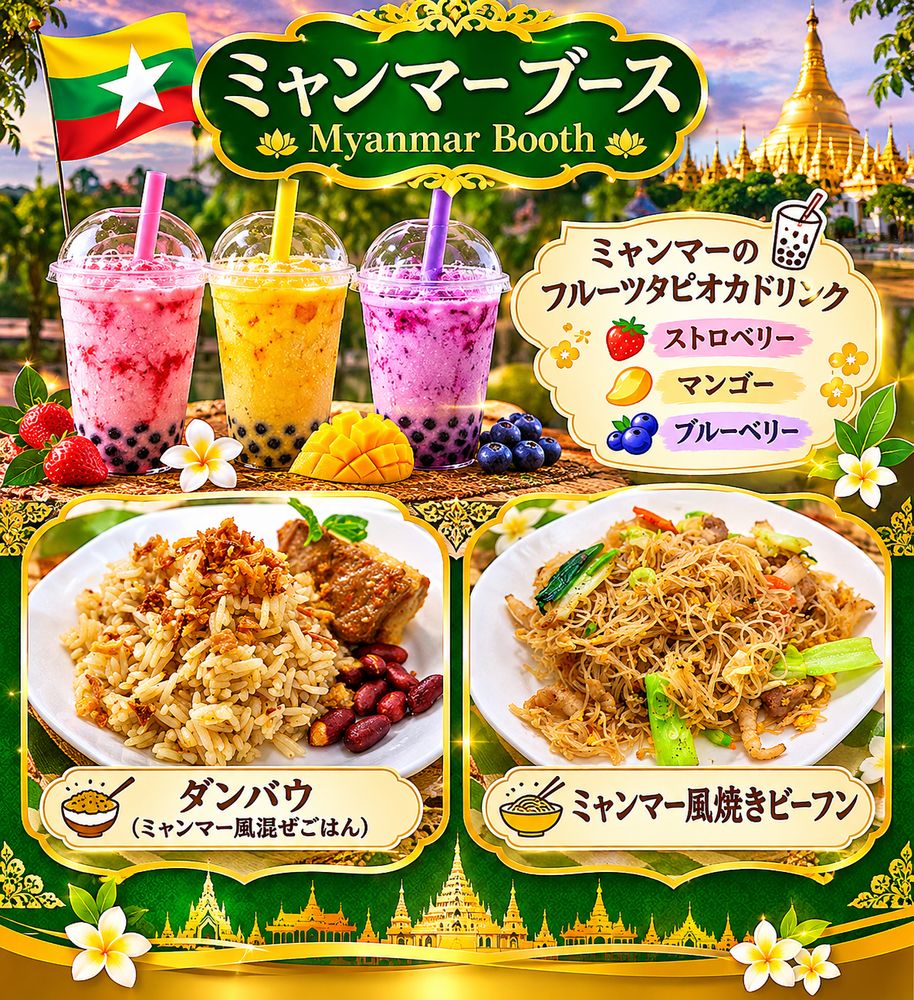 Photo provided by the exhibitor
Danbau is Myanmar’s version of biryani, with chicken or other ingredients cooked together with rice and spices. In Myanmar, it is served with pickled mango.
The booth will also offer Myanmar-style stir-fried rice vermicelli.
See what’s at the booth →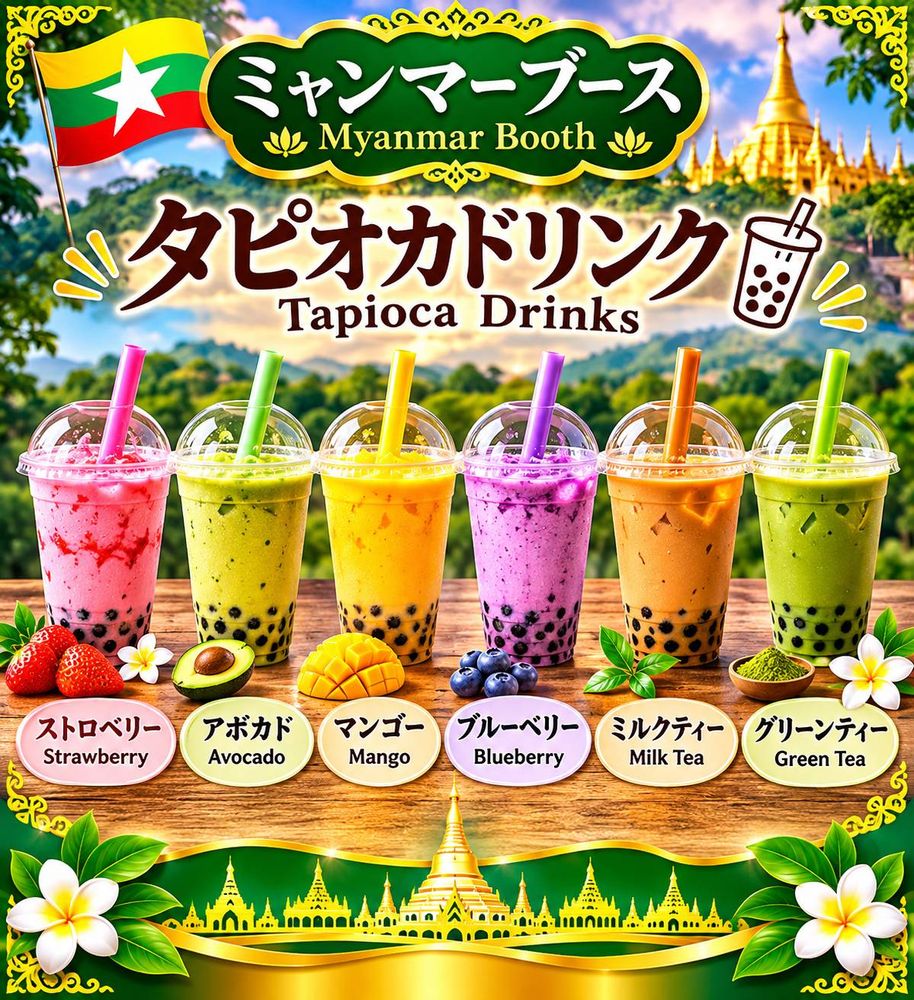 Photo provided by the exhibitor
Cold, sweet drinks are very popular in Myanmar’s hot climate. Some are packed with ingredients, such as falooda, made with rose water, milk, and jelly. The booth will offer a colorful selection of tapioca drinks.
See what’s at the booth →Burmese uses the same word order as Japanese. Try these phrases at the booth.
Tap to reveal the answers.
2 hours and 30 minutes.Myanmar is 2 hours and 30 minutes behind Japan. It is one of the few countries with a time difference that includes 30 minutes.
Their word order.Like Japanese, Burmese puts words in the order “I · rice · eat.”
8 strands of the Buddha’s hair.The pagoda stands 112m tall and is entirely covered in gold.
On November 22, booths representing 4 countries will line up beside the stage at Numazu Nakamise Shopping Street.
The information was checked on November 16, 2026. The large photos and videos of scenery, food, and culture are AI-generated images (they are not photographs of actual places or products). Only photos labeled “Photo provided by the exhibitor” are photographs of actual items supplied by the exhibitors.